Choosing a new kitchen is about more than colours, worktops and appliances. One of the biggest decisions is often the overall style of the cabinetry, as that choice will shape the look and feel of the whole room.
For many homeowners, the question comes down to two popular options: shaker or handleless. Both can look beautiful, both can work brilliantly in everyday life, and both offer very different qualities depending on the kind of home you have and the atmosphere you want to create. For inspiration, take a look at some of our recent projects to see how both shaker and handleless kitchens have been brought to life in real homes.
If you are trying to decide which style suits your home best, it helps to think beyond what is currently fashionable and focus instead on how you want your kitchen to feel, how you use the space, and how the room connects with the rest of your property.
What is a shaker kitchen?
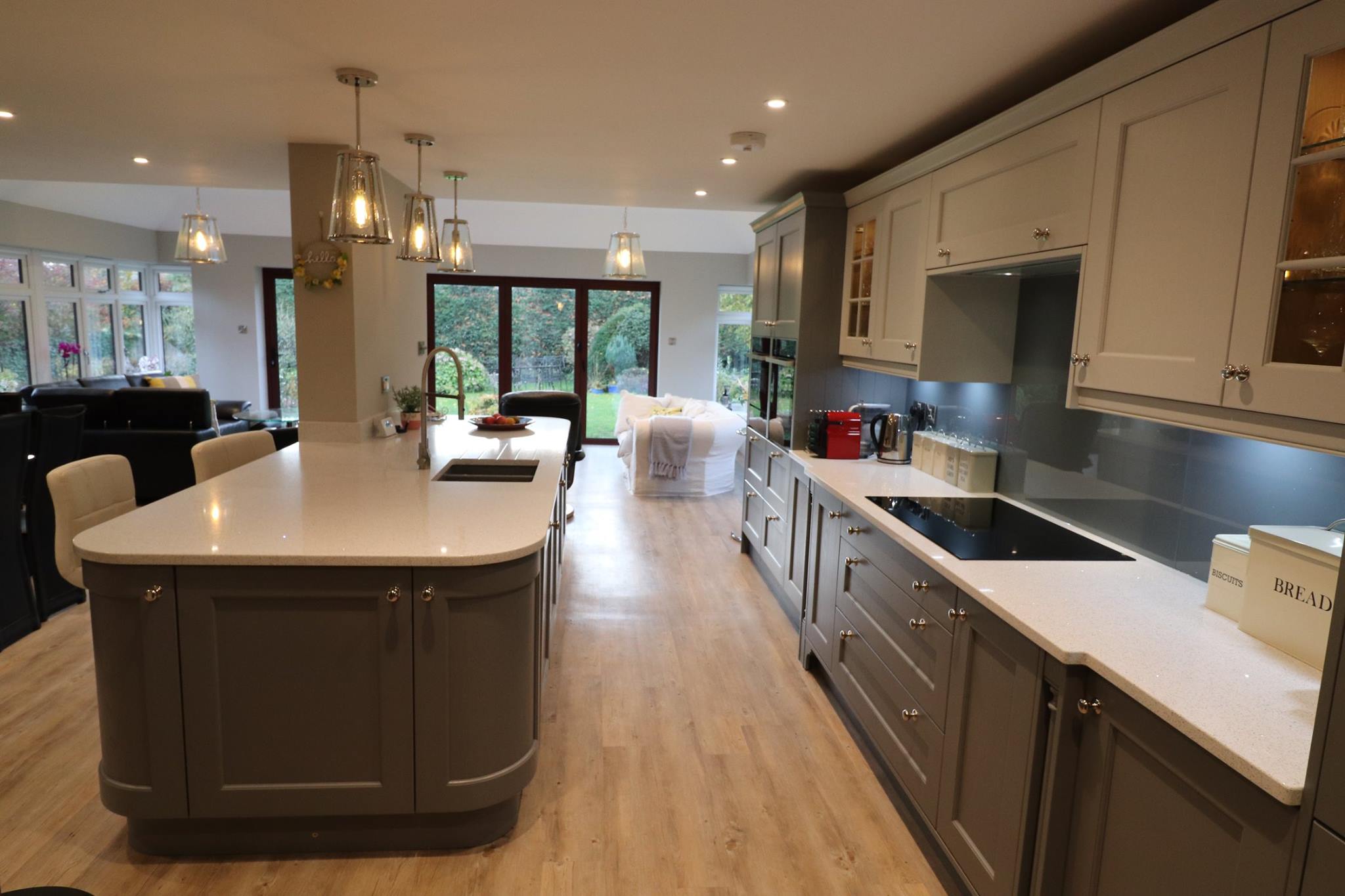
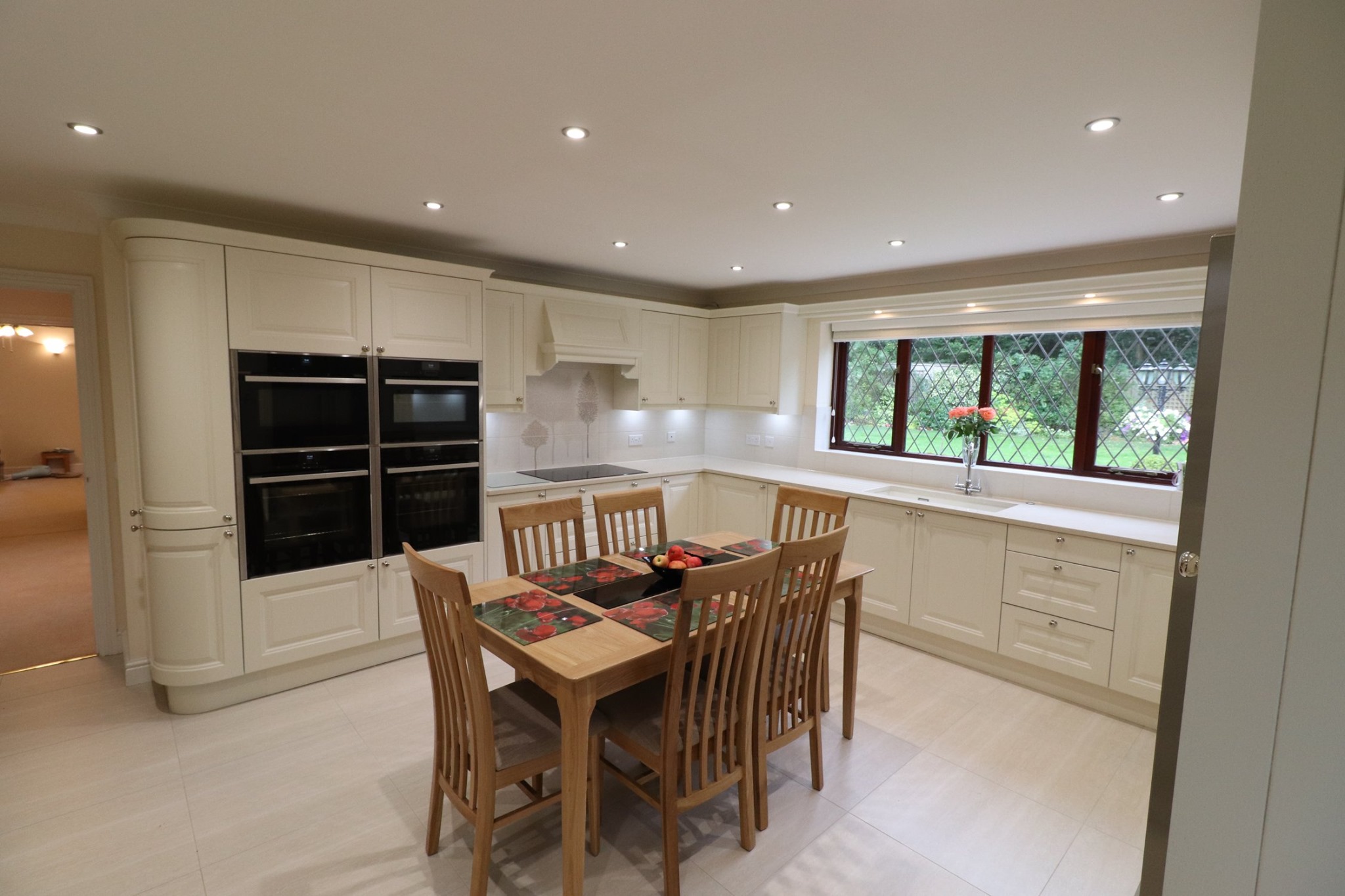
A shaker kitchen is known for its framed doors and timeless, understated character. It is a style that feels classic without being overly ornate, which is one reason it continues to work so well in both traditional and more modern homes.
Shaker kitchens often bring a sense of warmth and familiarity to a space. They can feel elegant and refined, but also comfortable and lived-in. Depending on the colour, handles and worktop choice, the style can lean more traditional or take on a fresher, more contemporary edge.
For homeowners who want a kitchen with softness, character and a sense of longevity, shaker is often a very natural choice.
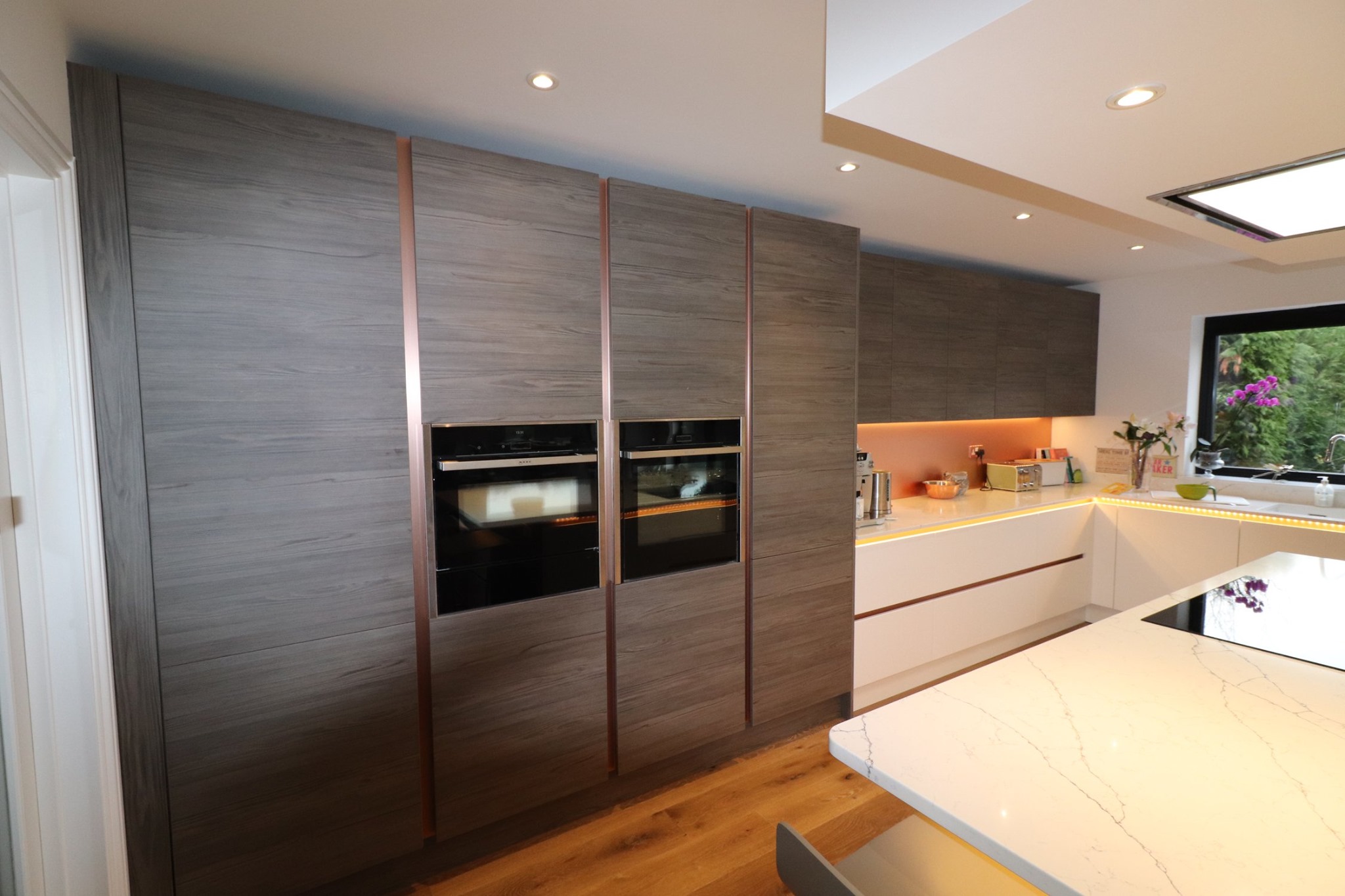
What is a handleless kitchen?
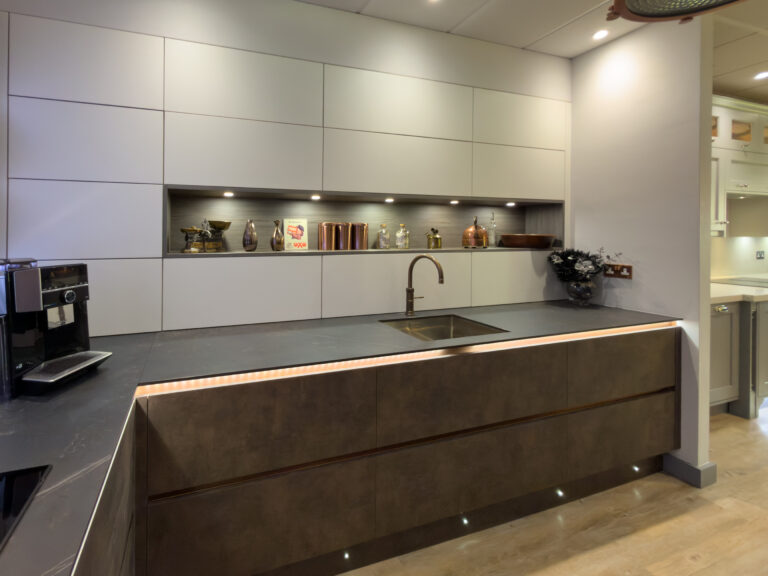
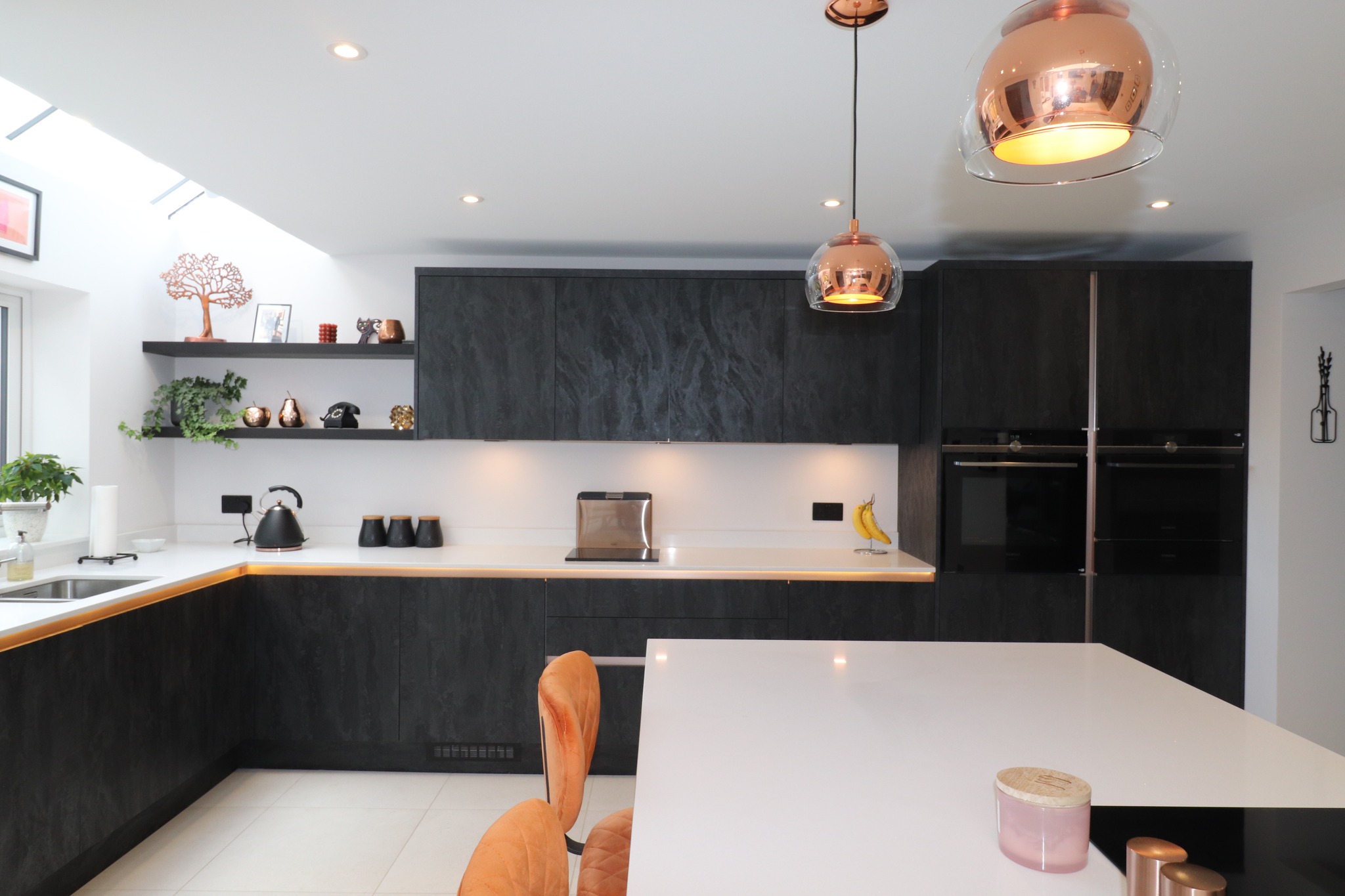
A handleless kitchen has a far cleaner, more streamlined appearance. Instead of traditional handles, the cabinetry is designed so doors and drawers can be opened using integrated rails, recessed channels or push-to-open systems.
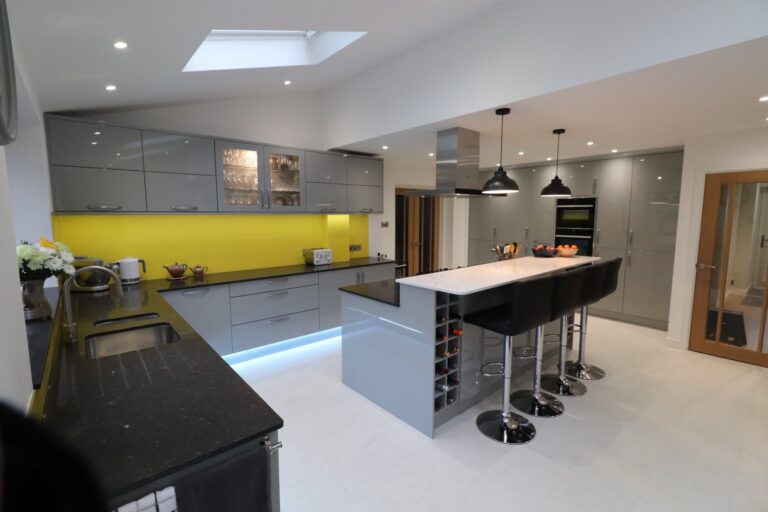
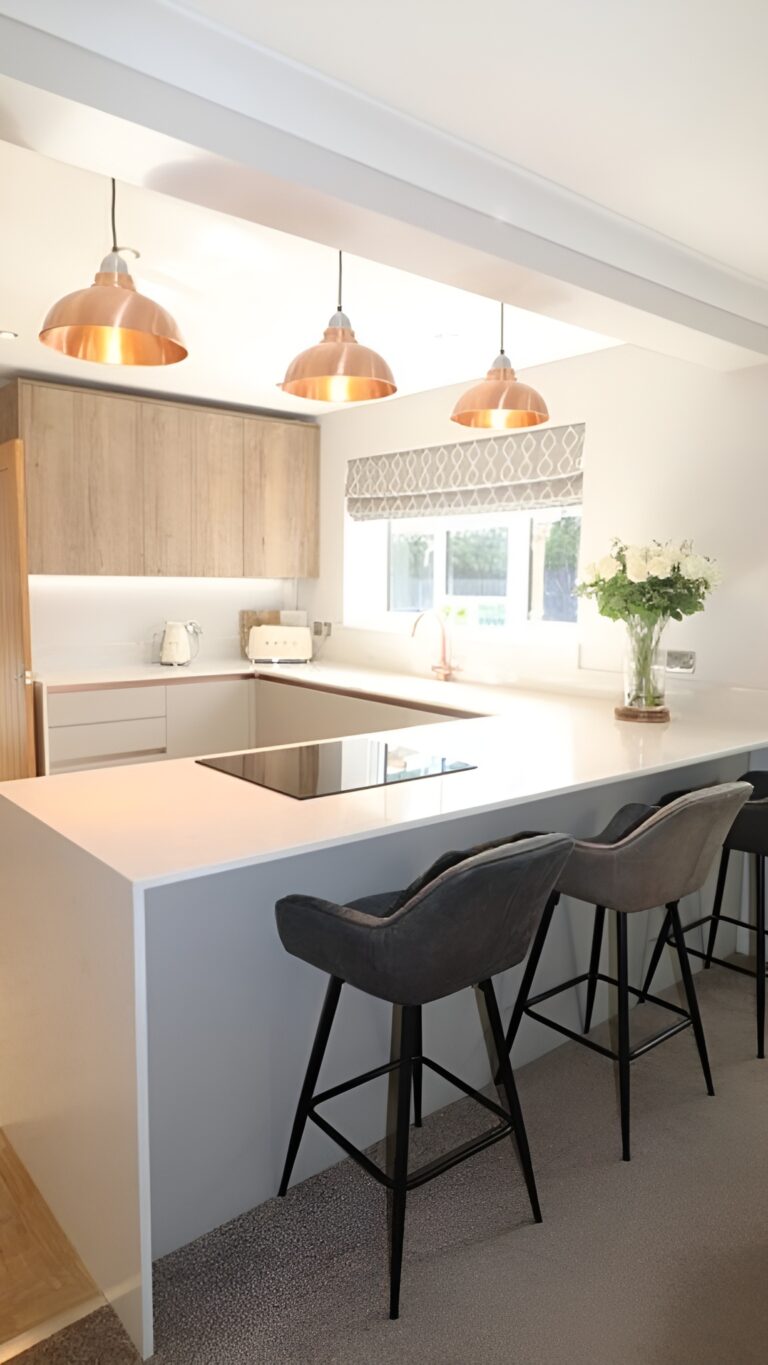
The result is a more minimalist look, with uninterrupted lines and a simpler overall finish. Handleless kitchens tend to suit contemporary homes particularly well, especially open-plan spaces where the kitchen needs to blend smoothly with the wider room.
If you are drawn to a more modern aesthetic and prefer spaces that feel uncluttered and crisp, handleless may be the better fit.
Which style suits the age and character of your home?
One of the best ways to decide is to consider the style of your property.
In period homes, cottages and houses with more traditional features, shaker kitchens often feel especially at home. Their classic proportions sit comfortably alongside original details, and they can help a renovated space feel in keeping with the rest of the property.
That said, shaker kitchens are not limited to older homes. When paired with simple worktops, contemporary lighting and a restrained colour palette, they can also look beautiful in newer properties.
Handleless kitchens, on the other hand, often suit modern homes, extensions and open-plan layouts particularly well. Their cleaner lines work naturally in bright, architectural spaces where simplicity is part of the appeal.
Think about the atmosphere you want to create
Style is not only visual. It also affects how a room feels.
A shaker kitchen often creates a softer, more inviting atmosphere. It can feel calm, welcoming and full of character, particularly when paired with painted finishes, natural textures and thoughtful detailing. If you want your kitchen to feel like the heart of the home, shaker is often a strong contender.
A handleless kitchen usually feels more pared-back and contemporary. It can bring a sense of order and simplicity to a room, which many people love, especially in busy homes where clean lines help the space feel less visually crowded.
Neither approach is better in itself. It simply depends on whether you want the room to feel more classic and characterful, or more modern and streamlined.
Practicality matters too
While appearance is important, everyday practicality matters just as much.
Shaker kitchens tend to be very forgiving in family homes because their detailing can soften the look of everyday wear. Handles are easy to grip, and many people simply prefer the familiarity of opening cupboards and drawers in the traditional way.
Handleless kitchens can work extremely well too, particularly for those who like a clean, uncluttered finish. They are often chosen for their sleek appearance, but the quality of the design and fittings is especially important here to make sure they feel effortless to use day after day.
Our company places emphasis on rigid-built cabinets, quality fittings and careful installation across all of its kitchens, which is important whichever route you choose. The success of either style depends not just on appearance, but on how well it is made and fitted.
There is no need to think in black and white
It is also worth remembering that this decision is not always entirely one or the other.
Some shaker kitchens incorporate more contemporary colours, lighting and worktops, giving them a fresher edge. Equally, some handleless kitchens are softened with timber textures, warmer tones or more tactile finishes so they do not feel too stark.
In fact, some of the most successful kitchens sit somewhere in the middle. A green shaker kitchen with simple brass detailing can feel both timeless and current. A handleless stone-effect kitchen can still feel warm and welcoming when balanced with the right materials and lighting. Visit our projects to see how both styles can be tailored to feel personal rather than formulaic.
So, which style suits your home best?
The answer usually comes back to three things: your property, your taste and your lifestyle.
If you love warmth, detail and a look that feels timeless, a shaker kitchen may be the right choice. If you prefer a cleaner, more minimal look with a contemporary edge, handleless may suit you better.
For many homeowners in Camberley, the best starting point is to see both styles in person and talk through how each one could work in their own home. Looking at displays, samples and completed projects often makes the decision much clearer than trying to judge from photos alone. Visit our showroom to explore both traditional and modern kitchen styles in person and see how each can be tailored to suit your home.
Ultimately, the best kitchen is not the one that follows a trend. It is the one that feels right for the way you live and sits naturally within your home. When that balance is right, both shaker and handleless kitchens can be equally successful.
FAQ
What is the main difference between shaker and handleless kitchens?
A shaker kitchen has framed cabinet doors and a more classic look, while a handleless kitchen has a smoother, more streamlined appearance with minimal visible detailing.
Are shaker kitchens only suitable for traditional homes?
No. Shaker kitchens work beautifully in both traditional and contemporary homes, depending on the colours, handles and overall styling.
Do handleless kitchens work well in family homes?
Yes, they can do, especially when they are well designed and fitted. They are a popular choice for open-plan family spaces because they help create a clean, uncluttered look.
Which style is easier to keep looking tidy?
Handleless kitchens often look visually tidier because of their clean lines, while shaker kitchens can be more forgiving and bring warmth and texture to a busy space.
How do I choose the right kitchen style for my home?
The best approach is to consider the age and style of your property, the atmosphere you want to create, and how you use the kitchen day to day.