The worktop is one of the most important decisions in any new kitchen design. It covers a large surface area, it is used every single day and it plays a significant role in the overall look and feel of the room. Yet with so many materials, finishes and price points available, choosing the right one can feel genuinely overwhelming.
Having fitted hundreds of kitchens over more than two decades, we have seen how different worktop materials perform in real homes over real time. Here is our honest guide to the most popular options and how to decide which is right for you.
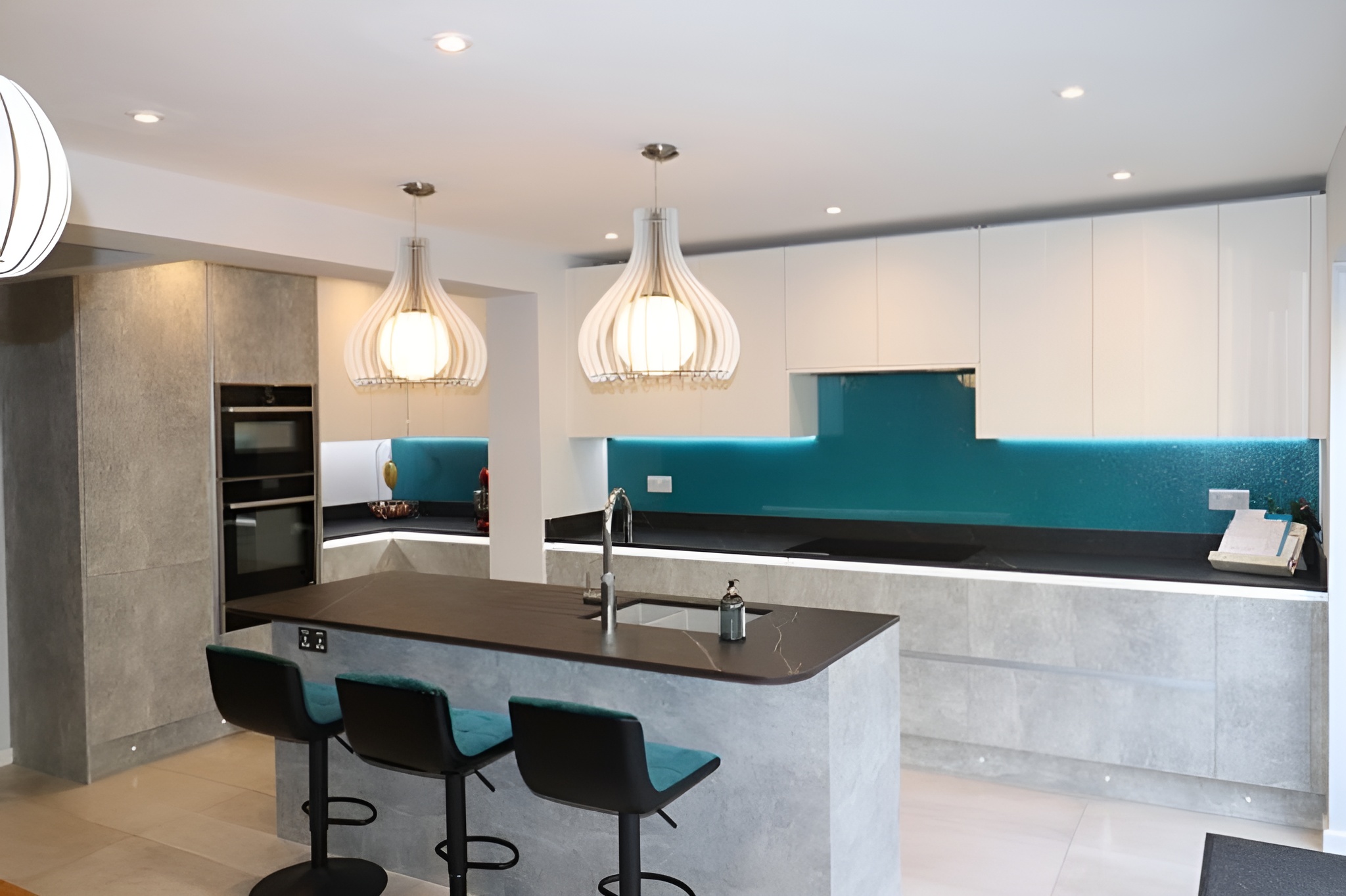
Start with how you actually use your kitchen
Before thinking about aesthetics, it is worth thinking about practicality. A worktop that looks stunning in a showroom needs to stand up to the reality of how you cook and live. Do you have young children who will be tough on surfaces? Do you cook frequently and at high temperatures? Do you tend to put hot pans directly on the worktop? Are you looking for something that is genuinely low maintenance, or are you happy to care for a more natural material?
These questions matter, because the honest answer to each of them will point you towards some materials and away from others. Our design process always includes a thorough conversation about lifestyle as well as aesthetics, because the best worktop is always the one that works beautifully for the way you live.
Quartz worktops
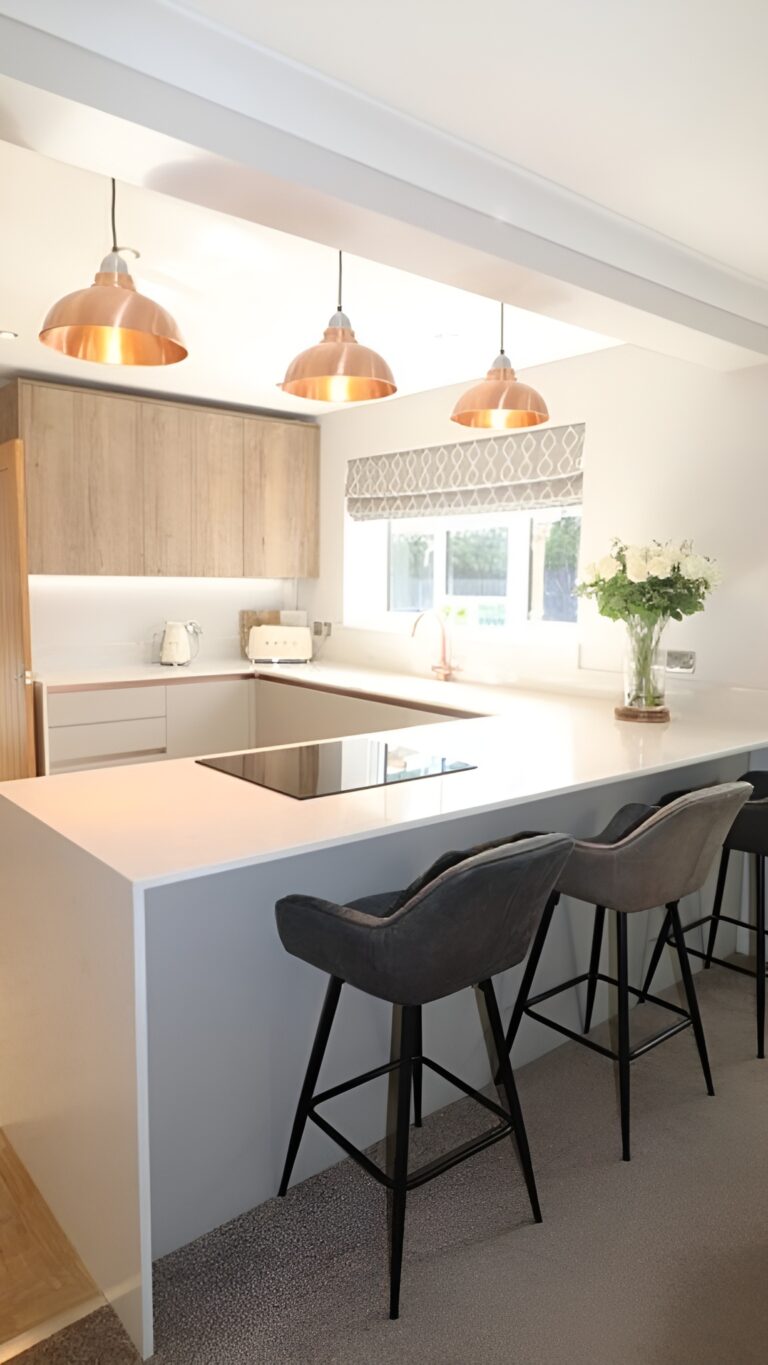
Quartz is one of the most popular worktop choices for good reason. It is an engineered stone made from natural quartz crystals bound with resin, which gives it excellent durability, a non-porous surface and very low maintenance requirements. It does not need sealing and is highly resistant to staining, scratching and everyday wear.
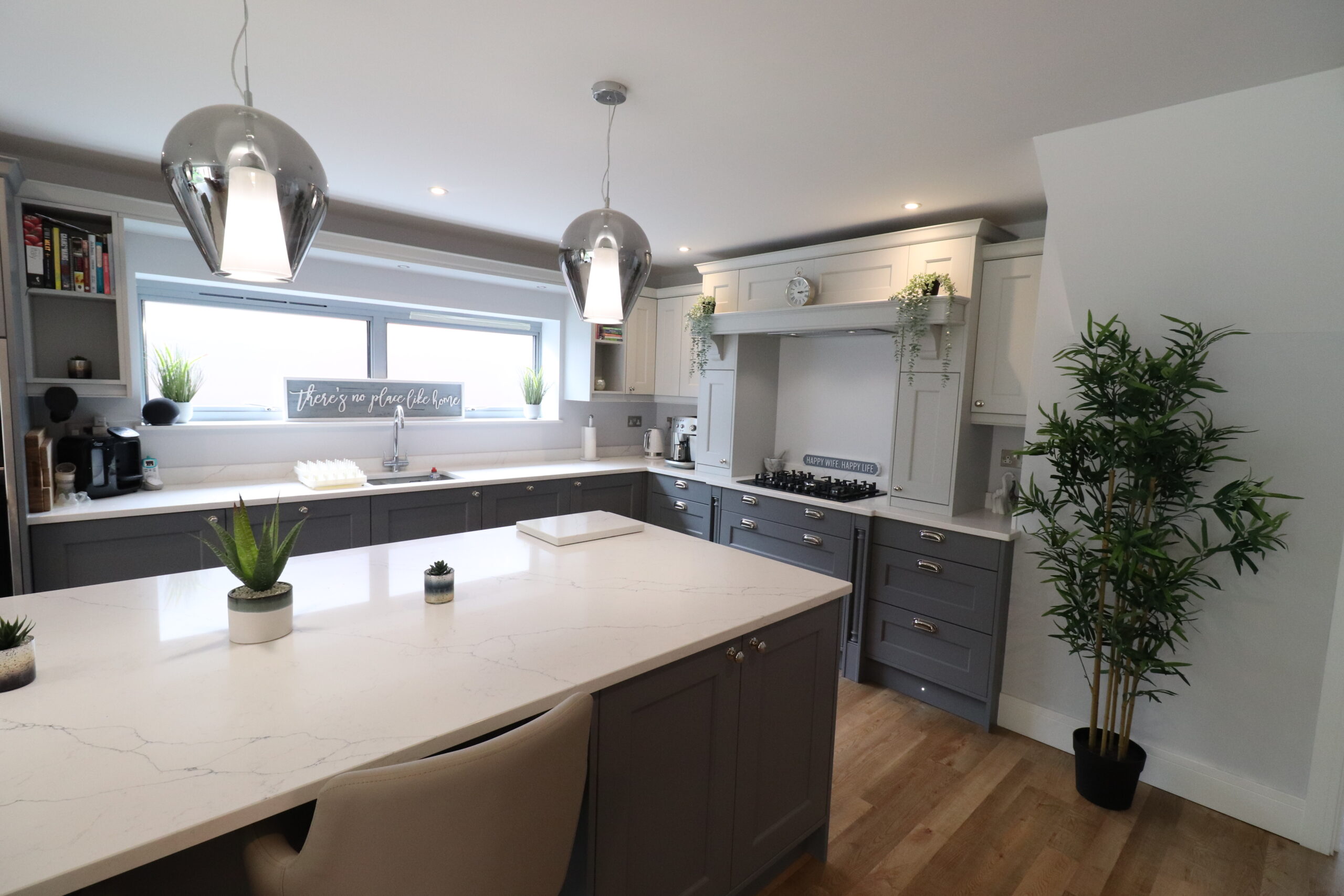
Quartz is available in a very wide range of colours and finishes, from subtle greys and creams through to dramatic dark tones and veined marble effects. It also lends itself beautifully to thicker edge profiles, which can create a bold statement on an island or peninsula. For busy family kitchens, the combination of durability and ease of cleaning makes quartz a consistently strong choice.
Dekton worktops
Dekton is an ultra-compact surface made from a blend of raw materials used in glass, porcelain and quartz, processed under extreme heat and pressure. The result is an extraordinarily hardwearing surface that is highly resistant to heat, UV light, staining, scratching and frost.
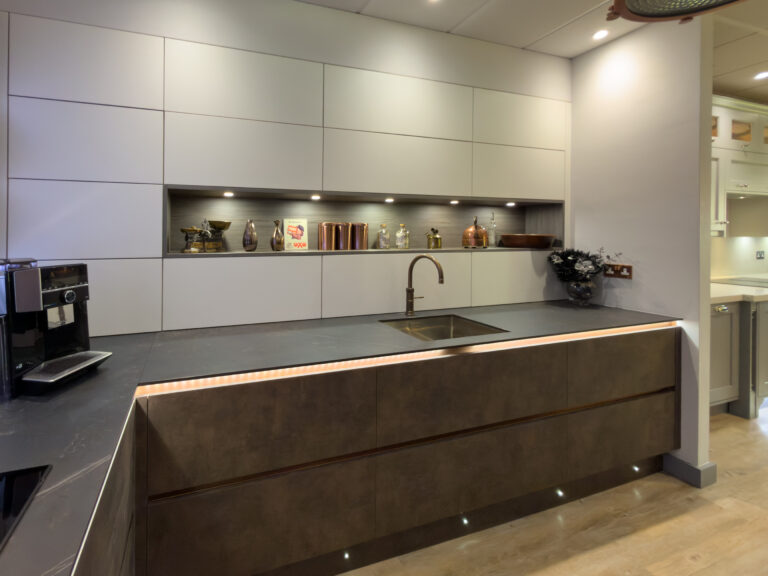
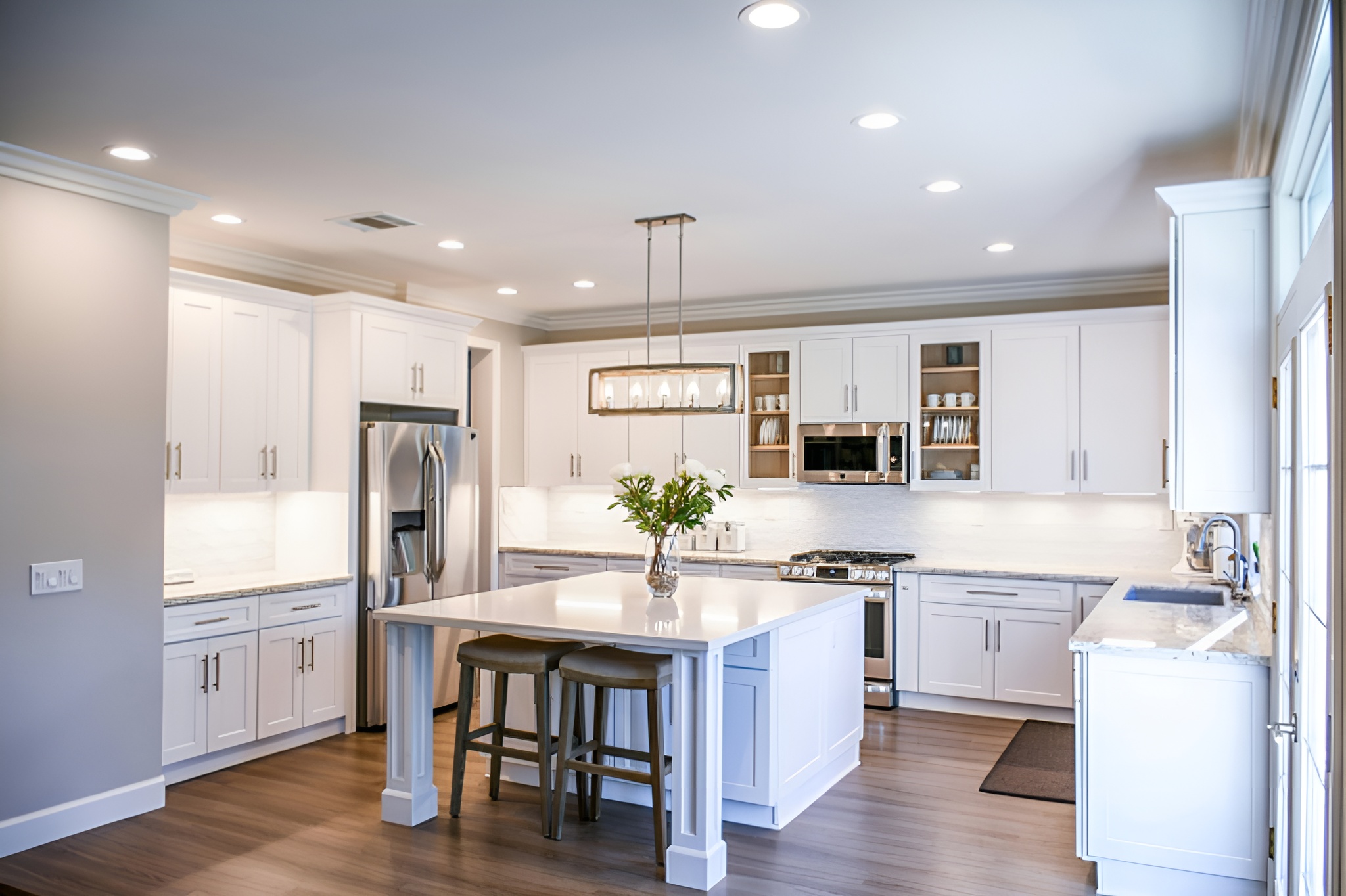
We have used Dekton in a number of our projects with outstanding results. One customer chose a contrasting Dekton worktop to complement their slate blue painted shaker kitchen, including a matching Dekton splashback behind the induction hob for a beautifully cohesive finish. Dekton surfaces are available in a range of sizes that can minimise or eliminate joins, which gives a very clean and seamless look in the right kitchen.
Dekton requires very little maintenance and is one of the most resilient surfaces available. It is particularly well suited to kitchens where performance and longevity are the priority. You can see examples in our completed projects gallery.
Granite worktops
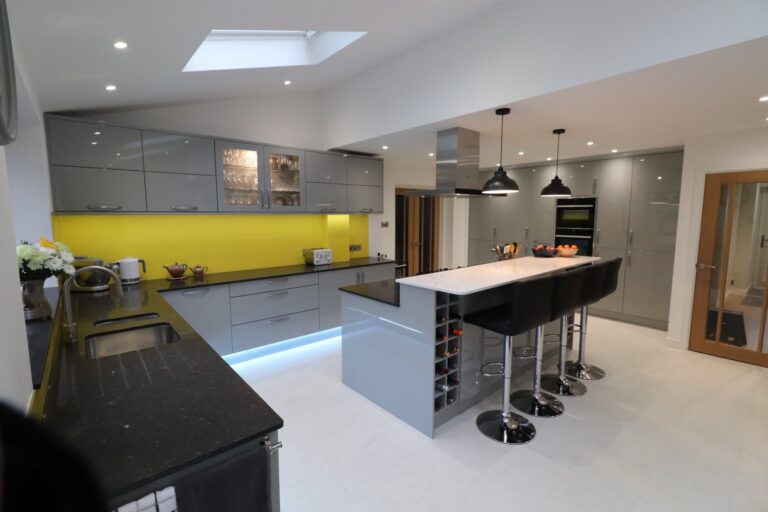
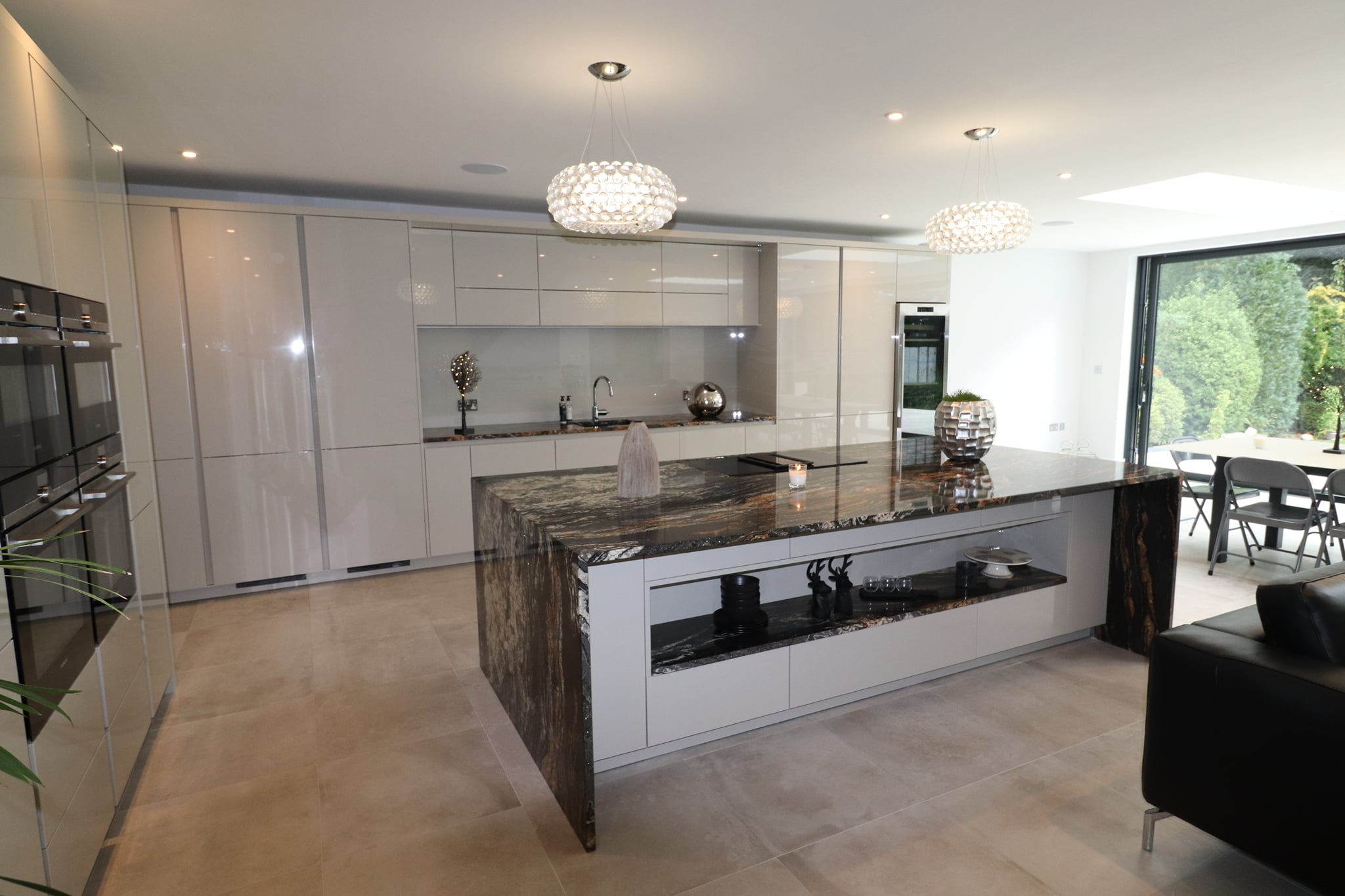
Granite is a natural stone with unique character and a timeless quality that many homeowners find deeply appealing. Every granite slab is different, which means your worktop will be entirely one of a kind. It is heat resistant, hard-wearing and, when properly sealed, performs very well in a busy kitchen.
The natural variation in granite means that two slabs from the same quarry will never look identical, which can be a significant advantage for homeowners who value individuality in their design. Granite does require periodic sealing to maintain its stain resistance, which is worth factoring into your decision.
Solid timber worktops
Solid timber worktops bring warmth, character and a natural beauty that no engineered surface can fully replicate. Oak, walnut and maple are among the most popular species, and when properly maintained, a timber worktop can last for many decades and actually improve in appearance over time.
Timber requires more care than stone or engineered surfaces. It needs to be oiled regularly and is not ideal for positioning directly next to a sink without careful attention to sealing. However, for the right kitchen and the right customer, the warmth and character it brings can be well worth the additional maintenance. It works particularly beautifully in classic and timeless kitchen designs.
Mixing worktop materials
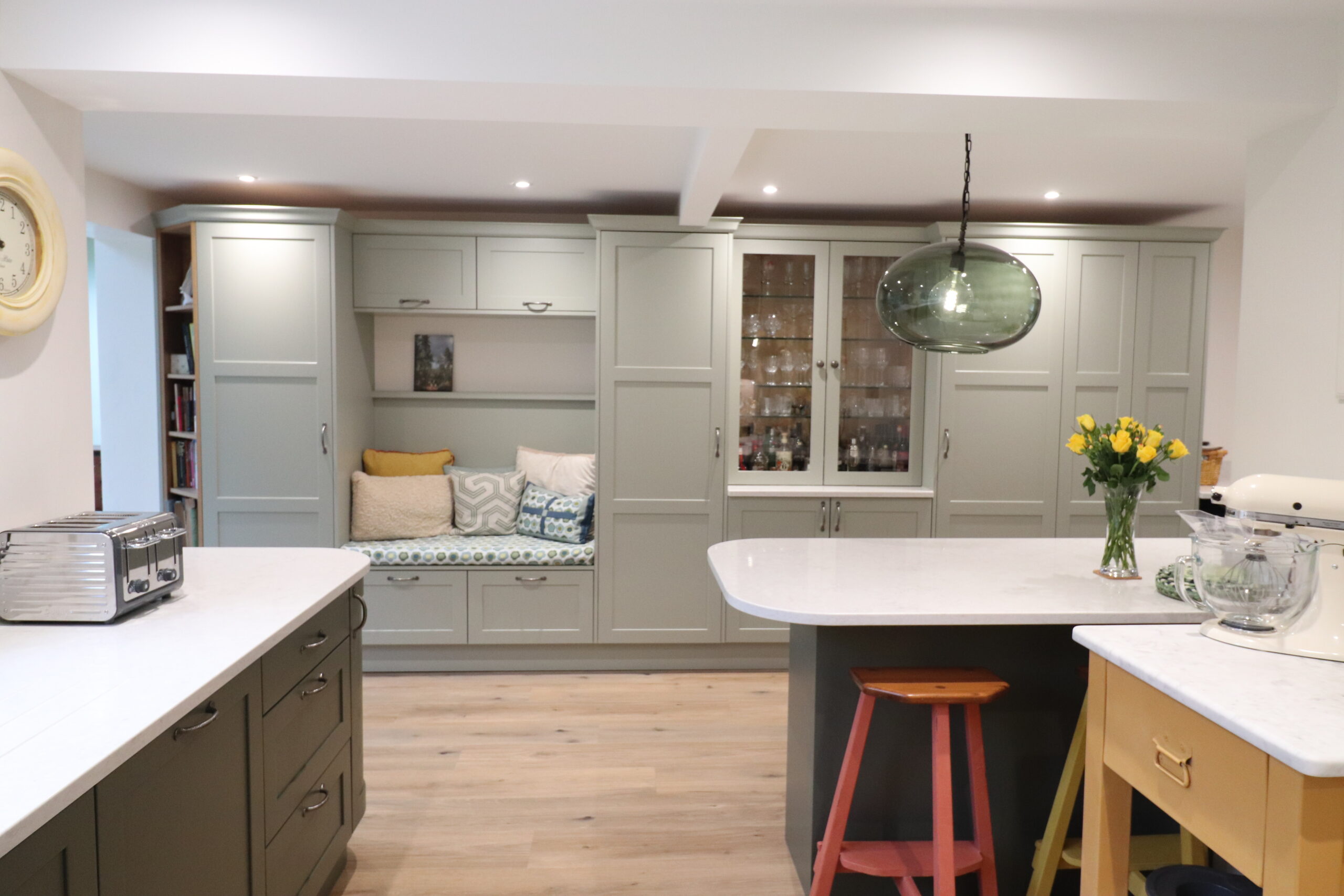
One of the most effective design approaches is to use two different worktop materials in a single kitchen. A stone or engineered surface for the main preparation areas, paired with a timber worktop on an island or dedicated area, can create a beautifully layered and personal result. This is a technique we have used in a number of our projects and one we are always happy to explore with customers who are looking for something a little different.
If you would like to see our worktop options in person and explore what might work best for your kitchen, we would love to welcome you to our showroom. We bring samples to home visits too, so you can see exactly how your choices will look in your own space and lighting. Get in touch to arrange a visit.
FAQs
What is the most durable kitchen worktop material?
Dekton is widely regarded as one of the most durable worktop surfaces available, offering exceptional resistance to heat, scratching, staining and UV light. Quartz and granite are also excellent long-term choices for busy kitchens.
Is quartz or granite better for a kitchen worktop?
Both are excellent choices. Quartz is non-porous, requires no sealing and offers very consistent colouring and patterning. Granite is a natural stone with more variation and unique character but requires periodic sealing. The right choice depends on your aesthetic preference and how much maintenance you are happy with.
Can I put hot pans on a quartz worktop?
Quartz is heat resistant but not completely heatproof. Placing very hot pans directly on quartz is not recommended, as thermal shock can cause damage over time. Using a trivet or heatproof mat is advisable. Dekton is significantly more heat resistant and can handle direct contact with hot cookware more reliably.
How often does a timber worktop need to be oiled?
This depends on the level of use and the specific oil product used, but as a general guide, a timber worktop benefits from oiling two to four times per year, particularly in the first year after installation. Areas around the sink may require more frequent attention.
Can I use different worktop materials in the same kitchen?
Absolutely, and it can produce a beautiful result. A stone or engineered surface for the main preparation area paired with a contrasting material on the island or a secondary section of the kitchen is a popular and effective design choice.